
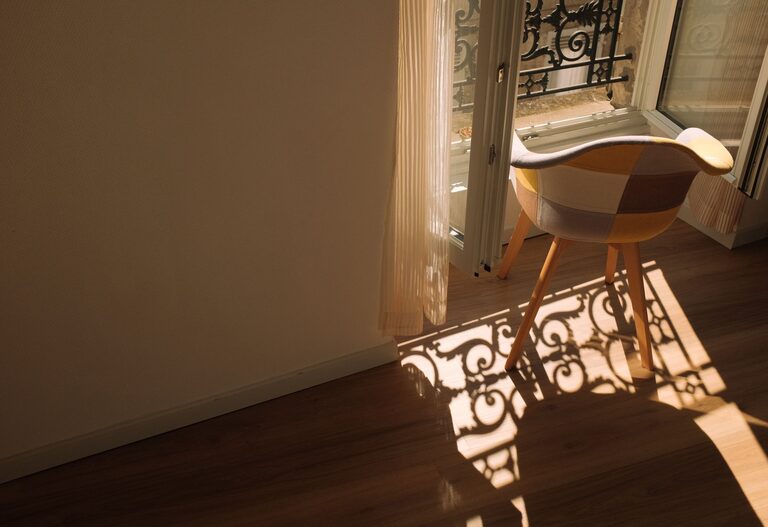
A dark room can feel cramped, cold, and uninviting. Whether you’re dealing with limited natural light, small windows, or a room painted in darker shades, there are plenty of quick and affordable ways to make your space feel brighter and more welcoming. In this post, we’ll explore practical ideas that transform dark rooms without major renovations.
Why Brightening a Room Matters
Lighting affects not only how a room looks, but also how it feels. A well-lit room can boost your mood, improve productivity, and make spaces appear larger. If you find that a room in your home feels gloomy or dull, simple adjustments can make a big difference.
1. Maximize Natural Light
Keep Windows Clear and Unobstructed
Start by removing heavy curtains or blinds that block sunlight. Use sheer curtains or blinds that can be fully opened during the day. Clean windows regularly to let in the maximum amount of light.
Use Mirrors Strategically
Mirrors reflect natural light and create the illusion of more space. Position a large mirror opposite or adjacent to a window to bounce light throughout the room. Even small mirrors grouped in creative arrangements can brighten corners.
2. Choose Light and Reflective Colors
Paint Walls in Light Shades
Paint is one of the easiest ways to brighten a room. Select light, neutral colors such as white, cream, pale gray, or soft pastels. These tones reflect more light than dark colors and help open up the space.
Use Glossy or Satin Finishes
Paint finishes matter. Glossy and satin paints reflect more light than matte finishes, giving your walls a subtle shine that helps brighten the room.
3. Improve Artificial Lighting
Layer Your Lighting
Use a combination of ambient, task, and accent lighting to evenly illuminate the room. Start with a central overhead light, then add table lamps, floor lamps, or wall sconces to eliminate shadows.
Opt for Bright, Warm Bulbs
Choose LED bulbs with a color temperature around 2700K to 3000K for a warm, inviting glow. Higher lumens mean brighter light, but avoid cool or harsh lighting that can feel clinical.
Use Lighting Fixtures That Amplify Light
Fixtures with reflective shades or glass elements can spread light more effectively. Consider chandeliers with crystal accents or lamp shades that diffuse light softly.
4. Select Furniture and Decor That Brighten the Space
Choose Light-Colored Furniture
Furniture in light tones such as white, beige, or light wood can help reflect light rather than absorb it. If you can’t replace large pieces, add bright slipcovers or cushions.
Add Metallic or Glass Accessories
Metallic finishes like brass, chrome, or gold, as well as glass decor, can reflect light and add sparkle. Think of metallic picture frames, vases, or coffee tables with glass tops.
5. Organize to Increase Space and Light Flow
Declutter and Keep Surfaces Clear
Clutter can make a room feel smaller and darker. Clear countertops, shelves, and floors to allow light to move freely.
Arrange Furniture to Allow Light Through
Avoid blocking windows with large furniture. Position seating and tables to keep window areas open and maximize light infiltration.
6. Use Light-Enhancing Window Treatments
Install Sheer or Light-Colored Curtains
Sheer fabrics allow sunlight to filter gently. For privacy, layer curtains by combining sheers with heavier drapes that can be pulled back in daylight.
Consider Reflective or Light-Filtering Blinds
Blinds with a reflective backing or light-filtering materials can brighten a room while controlling glare.
7. Incorporate Plants to Add Life and Lightness
Adding indoor plants can brighten a dark room by adding color and texture. Choose plants with light or variegated leaves that reflect light well. Place them near windows or use tall plants in corners to draw the eye upward.
8. Use Rugs and Textiles to Lighten Floors
Dark floors can weigh a room down. Use light-colored rugs made from natural fibers like jute or cotton to brighten the space. Patterns with white or cream tones can add interest without darkening the room.
9. Add Art and Wall Accents Wisely
Select bright or light-colored artwork that complements your walls. Avoid large, dark pieces that absorb light. Metallic frames or light-colored mats can enhance the brightness of your walls.
Wrap-Up
Brightening a dark room doesn’t have to be expensive or complicated. By using light and reflective colors, improving lighting, strategically arranging furniture, and adding thoughtful decor, you can transform any space into a more cheerful, open, and inviting environment. Start with small changes and enjoy the positive impact on your home’s ambiance!