
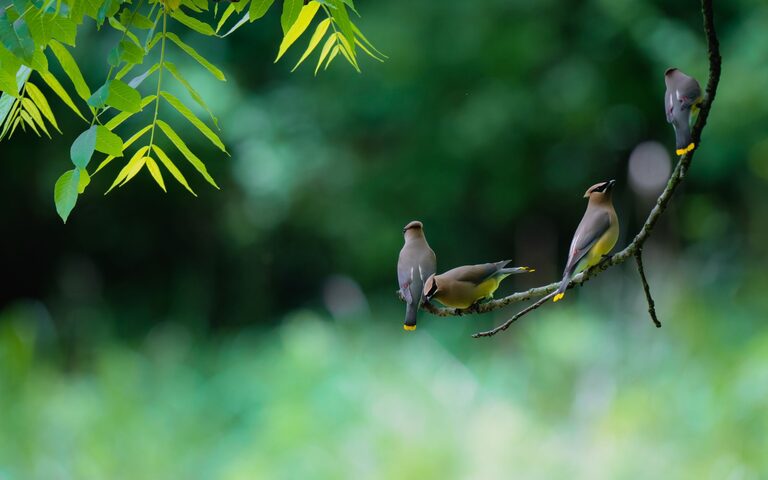
Birdwatching is a rewarding and relaxing hobby that can be enjoyed right in your own backyard. Whether you live in a city, suburb, or rural area, watching birds offers a wonderful chance to connect with nature and learn about the feathered friends around you. If you’re new to birdwatching, this guide will provide you with simple tips to get started, attract birds, and make the most of your backyard birdwatching experience.
Why Backyard Birdwatching?
Birdwatching is accessible and requires very little equipment, making it a perfect hobby for beginners. It helps reduce stress, encourages mindfulness, and can be a great activity for families or individuals. Plus, it gives you the chance to observe a variety of bird species, from common local birds to occasional visitors stopping by your feeders.
Getting Started with Backyard Birdwatching
1. Choose a Good Spot
Find a comfortable place in your yard where you can watch birds without disturbing them. This might be near a window, on a patio, or under a tree. Set up a chair or bench so you can sit quietly and enjoy your observations.
2. Use Binoculars
While not essential, a pair of binoculars will enhance your experience by allowing you to see birds more clearly and observe their details. Look for lightweight models that are easy to carry and hold steady.
3. Get a Field Guide or Bird App
A bird identification book or a smartphone app can help you learn about the different birds you see. These tools will show pictures, describe bird calls, and explain each species’ habits, making identification easier and more fun.
Attracting Birds to Your Backyard
4. Provide Food
Offering bird food is one of the best ways to attract birds. Consider using:
– Seed feeders: filled with sunflower seeds, nyjer, or mixed seed blends
– Suet feeders: which provide energy-packed food, especially in colder months
– Fruit feeders: with sliced oranges, apples, or berries for fruit-eating birds
Position feeders at different heights to attract various species.
5. Supply Fresh Water
Birds need water for drinking and bathing, so provide a birdbath or shallow dish with fresh water. Change the water frequently and keep the bath clean to prevent any health issues.
6. Create Shelter and Nesting Spots
Birds feel safer when they have places to hide or rest. Consider:
– Planting native shrubs or trees for cover
– Installing birdhouses or nest boxes suitable for local species
– Leaving some leaf litter or brush piles for ground-feeding birds
Tips for Successful Birdwatching
7. Be Patient and Observe Quietly
Birds can be shy and easily scared by sudden movements or loud noises. Sit still and speak softly or not at all to avoid frightening them away.
8. Watch at Different Times of Day
Bird activity changes throughout the day. Early morning and late afternoon are often the best times to see birds feeding and moving about.
9. Keep a Birdwatching Journal
Recording your sightings helps you remember species, behaviors, and changes over time. Note the date, weather, bird species, and interesting observations.
10. Learn Bird Calls and Songs
Listening carefully to bird sounds can help you spot species before you see them. Many birdwatching apps include audio clips of calls and songs for practice.
Respecting Birds and Nature
While enjoying birdwatching, it’s important to respect birds and their environment:
– Avoid disturbing nests or feeding birds inappropriate foods
– Keep pets indoors or supervised to prevent chasing birds
– Clean feeders and baths regularly to prevent disease spread
– Use natural landscaping and avoid pesticides to support a healthy habitat
Final Thoughts
Backyard birdwatching is a delightful way to bring nature closer to home. By setting up feeders, providing water and shelter, and practicing patient observation, you’ll soon find yourself surrounded by colorful and fascinating birds. Remember, the joy of birdwatching comes from slowing down and appreciating the natural world around you. Happy birdwatching!